

In an era where the boundaries between art and fashion are increasingly fluid, contemporary artists are becoming key players in shaping the future of high fashion. From striking collaborations to inspiring entire collections, these artists are redefining what it means to be both a creator and a trendsetter. This exploration into the world of art and fashion reveals how these two creative disciplines are coming together to push the limits of innovation and style.
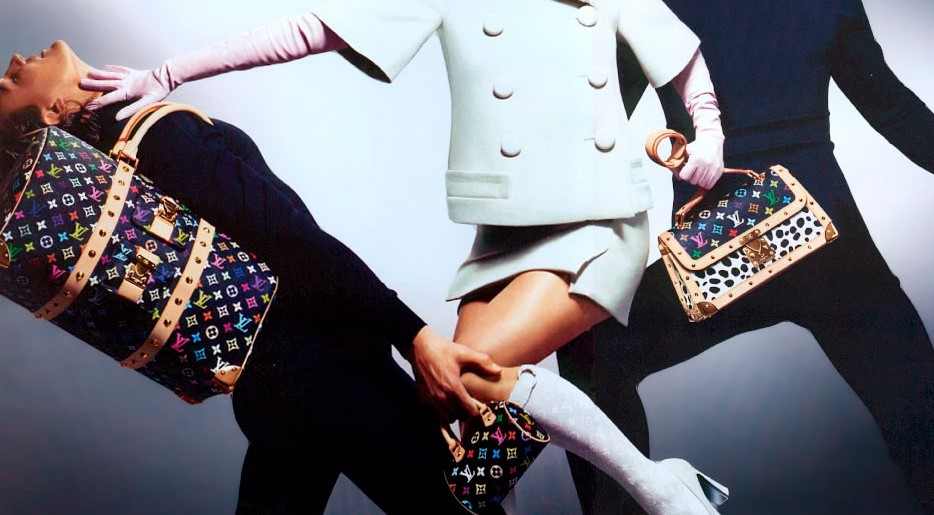
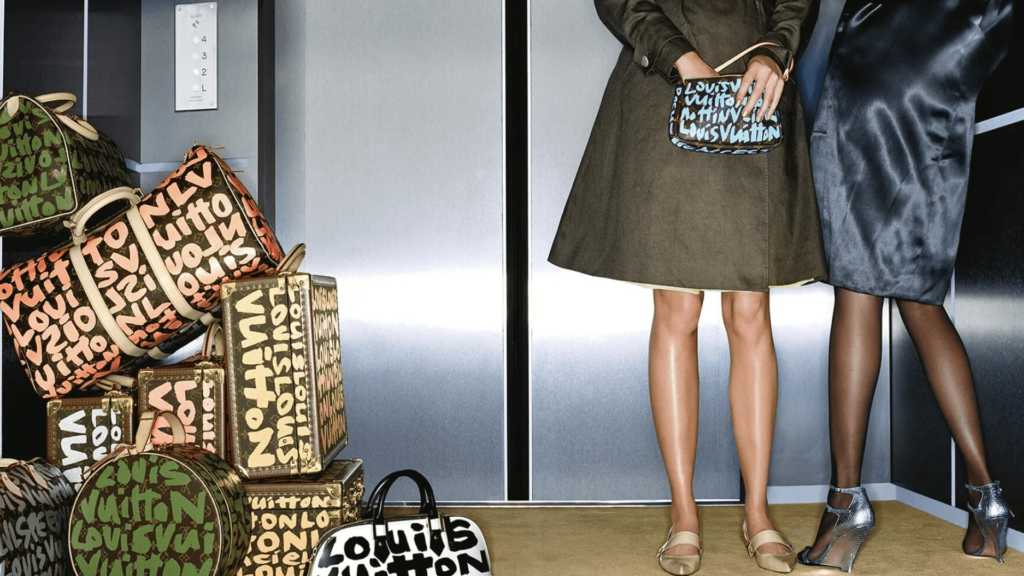
One of the most significant shifts in contemporary fashion has been the collaboration between renowned artists and fashion houses. Take, for instance, Takashi Murakami, whose vibrant and playful art has become synonymous with Louis Vuitton. Murakami’s iconic “Monogram Flowers” and “Smile” designs have adorned everything from handbags to clothing, infusing high fashion with a burst of colorful energy.
Another groundbreaking figure is Daniel Arsham, whose “Future Relics” series has blurred the lines between sculpture and fashion. His collaborations with brands like Dior have resulted in collections where the concept of decay and time is embodied in meticulously crafted garments and accessories. Arsham’s work invites viewers to ponder the intersection of art, history, and contemporary design, making his collaborations a compelling fusion of past and future.
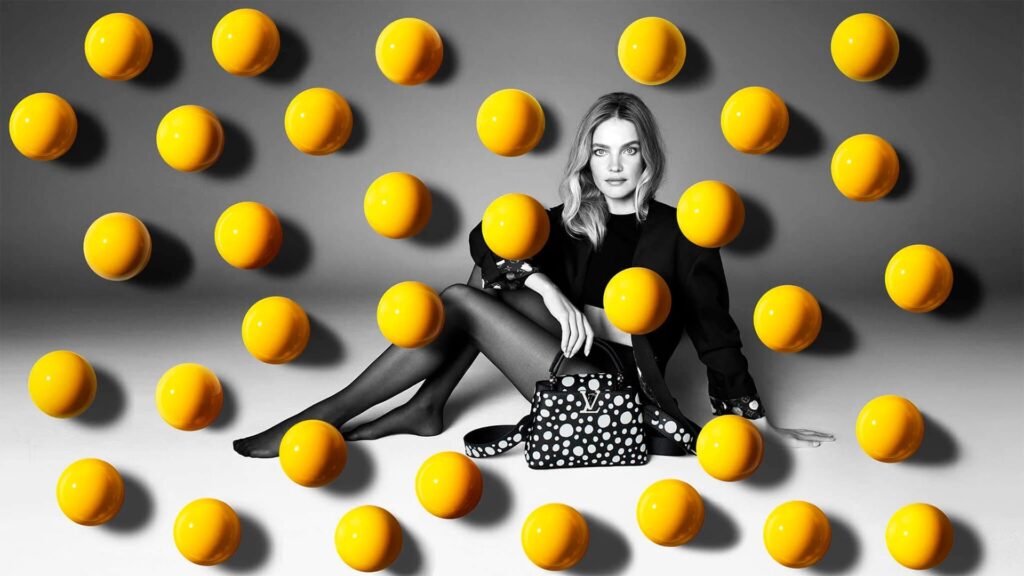
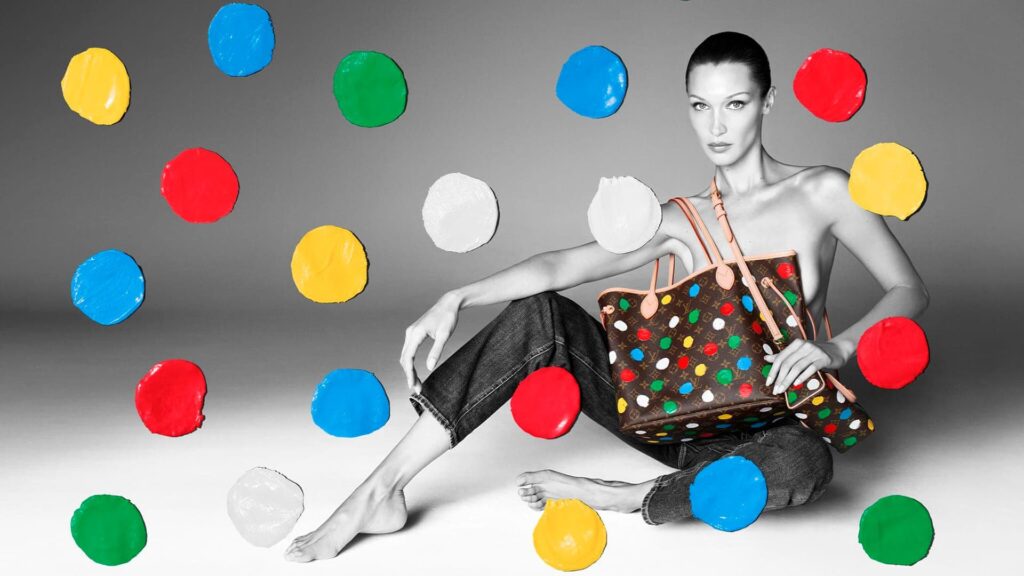
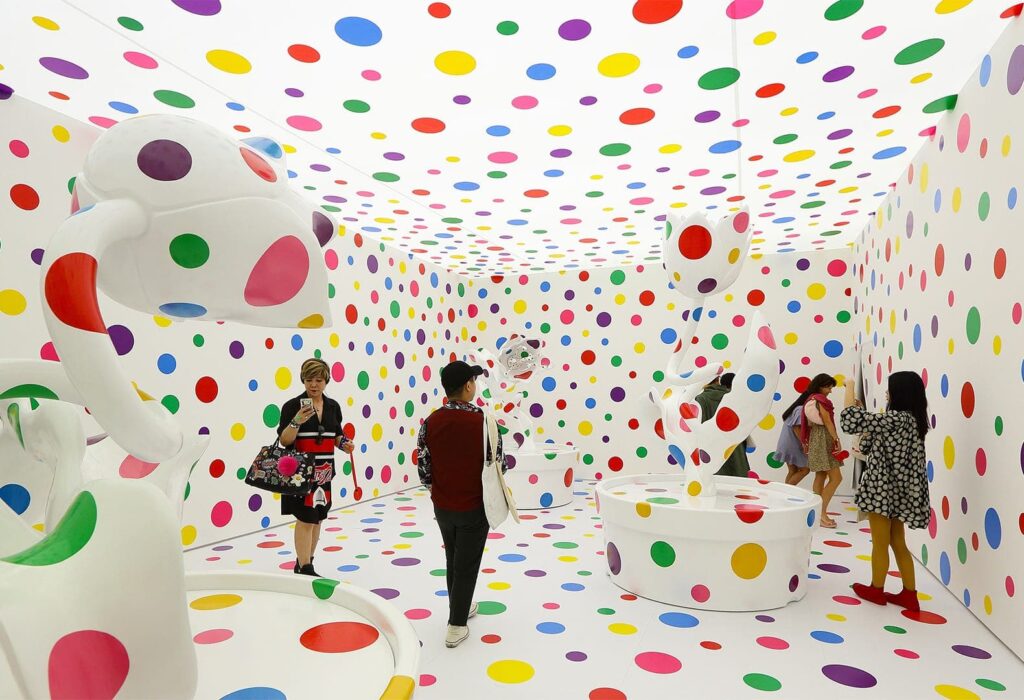
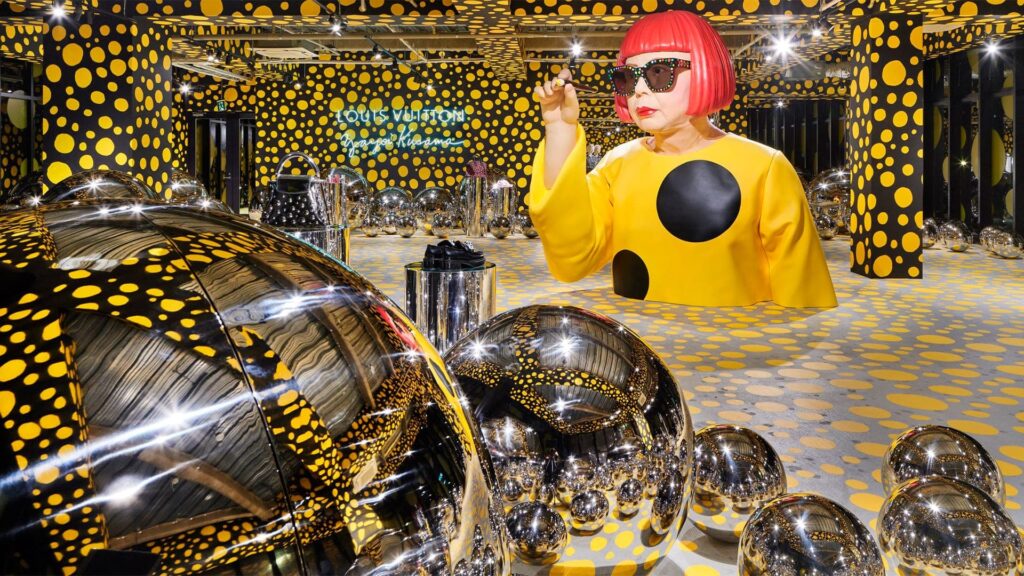
Yayoi Kusama’s collaboration with Louis Vuitton, featuring her signature polka dots and pumpkin motifs, is another prime example of art influencing fashion. Kusama’s work, known for its psychedelic patterns and immersive installations, has translated beautifully into high fashion, creating pieces that are both visually striking and deeply evocative.
The magic of these collaborations lies in the creative process, where artists and designers come together to blend their unique visions. This partnership often starts with a deep discussion about themes, concepts, and how these can be translated into fashion. For example, when Arsham and Dior joined forces, the discussion revolved around the idea of “future relics,” leading to the creation of garments that appear as though they are artifacts from a distant future.
Fashion designers often act as interpreters of the artist’s vision, translating abstract ideas into tangible forms. This process involves meticulous planning, from selecting fabrics and colors to crafting prototypes that reflect the artist’s original concepts. The result is a collection that feels both innovative and cohesive, embodying the spirit of the artist while remaining rooted in fashion.
Art-inspired fashion collections have become increasingly popular, with entire lines dedicated to the work of a particular artist. These collections often feature direct references to famous artworks or incorporate elements of the artist’s style into the clothing. For instance, the “Camp: Notes on Fashion” exhibition at the Met Museum showcased how fashion can embody art through exaggerated forms and theatrical designs, drawing inspiration from various art movements.
One notable example is the collaboration between Off-White and the Louvre, where Virgil Abloh’s designs incorporated motifs from classical art. This intersection of historical art and contemporary fashion demonstrates how the past can inform and inspire modern design.
As the collaboration between art and fashion continues to evolve, new artists are emerging on the scene. Artists like Amalia Ulman and Lorna Simpson are beginning to make waves in the fashion world, with their innovative approaches to art and storytelling. Ulman’s digital art and performance work, combined with her unique perspective, offer exciting possibilities for future fashion collaborations.
Lorna Simpson’s conceptual art, which often addresses themes of identity and race, could lead to powerful and meaningful fashion collections that resonate on a deeper level with audiences.
The intersection of art collecting and fashion is also becoming more prominent. High-profile collectors are increasingly influencing fashion trends, while fashionistas are drawn to art-inspired pieces that reflect their personal style and cultural interests. This crossover has led to a greater appreciation for both art and fashion, with collectors and designers alike recognizing the value of this dynamic relationship.
The fusion of contemporary art and fashion is a testament to the ever-expanding boundaries of creativity. As artists continue to collaborate with designers and influence fashion trends, they are shaping the future of both industries. This vibrant synergy between art and fashion not only challenges traditional notions of beauty and style but also invites us to explore new ways of expressing ourselves through the transformative power of design. As we look to the future, one thing is clear: the artistic vision will remain at the forefront of fashion innovation, continuing to inspire and captivate audiences around the world.