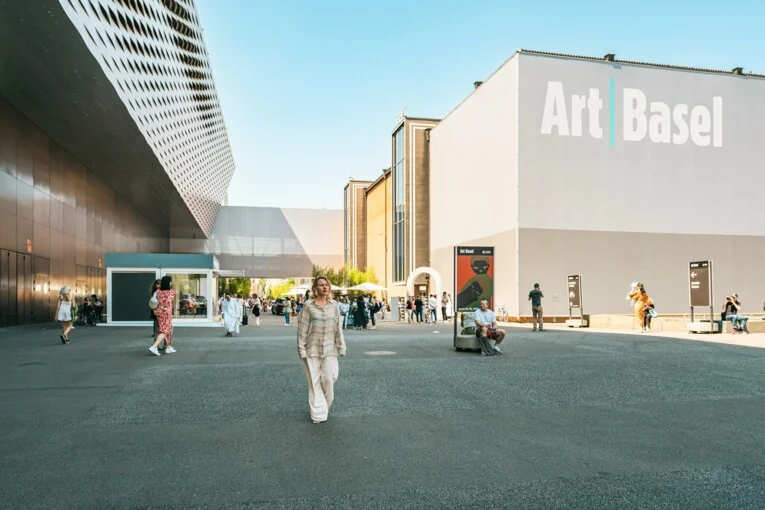


This week, Art Basel returned to Switzerland, once again bringing together galleries, collectors, curators, and institutions from around the world. Widely considered the most influential art fair on the international calendar, the event opens to the public on June 18 and runs through June 21.
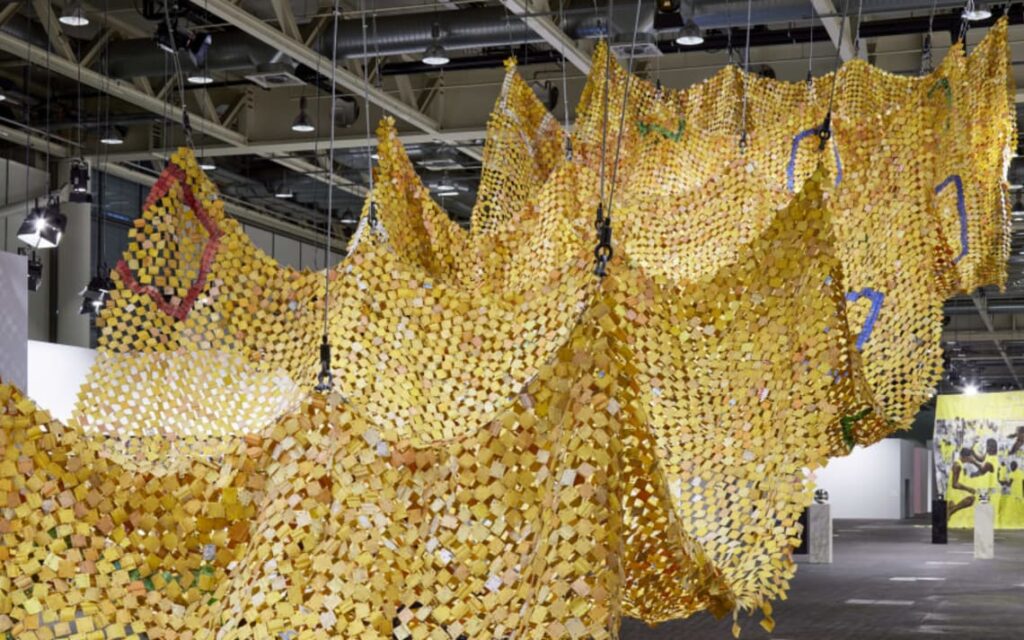
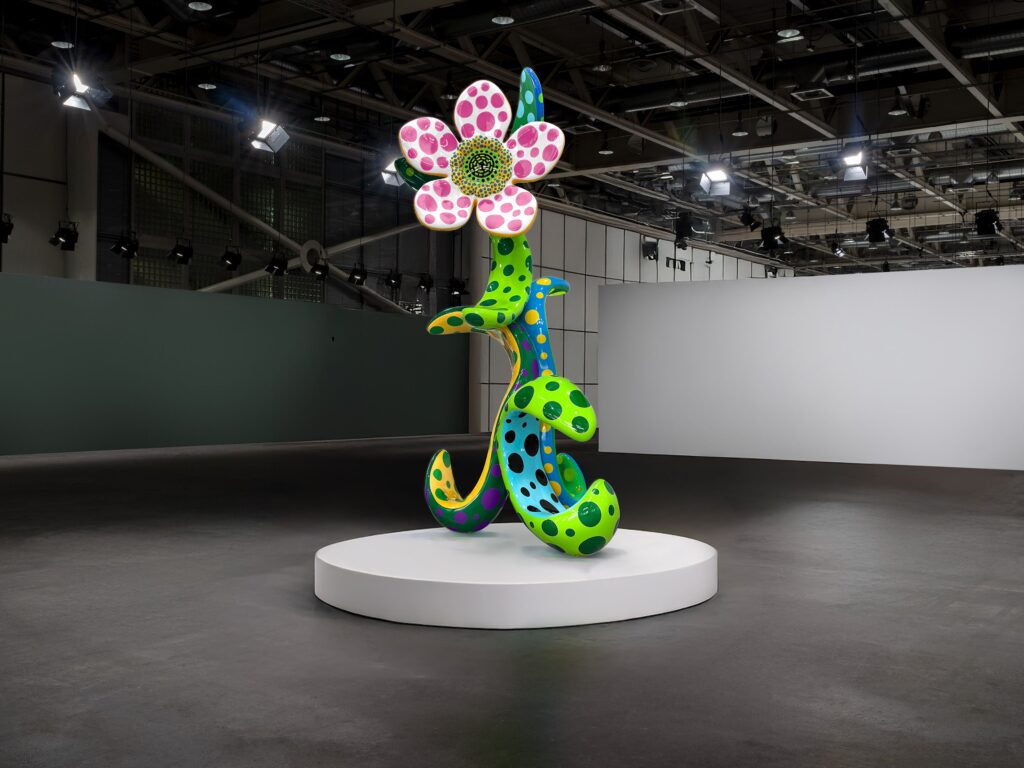
This year’s edition hosts 290 galleries from 43 countries, presenting works that range from emerging contemporary voices to museum-level masterpieces. The fair remains divided into several sections, including Unlimited, dedicated to large-scale installations, Statements, focused on solo presentations by emerging artists, and Feature, highlighting historically significant works from the twentieth century.
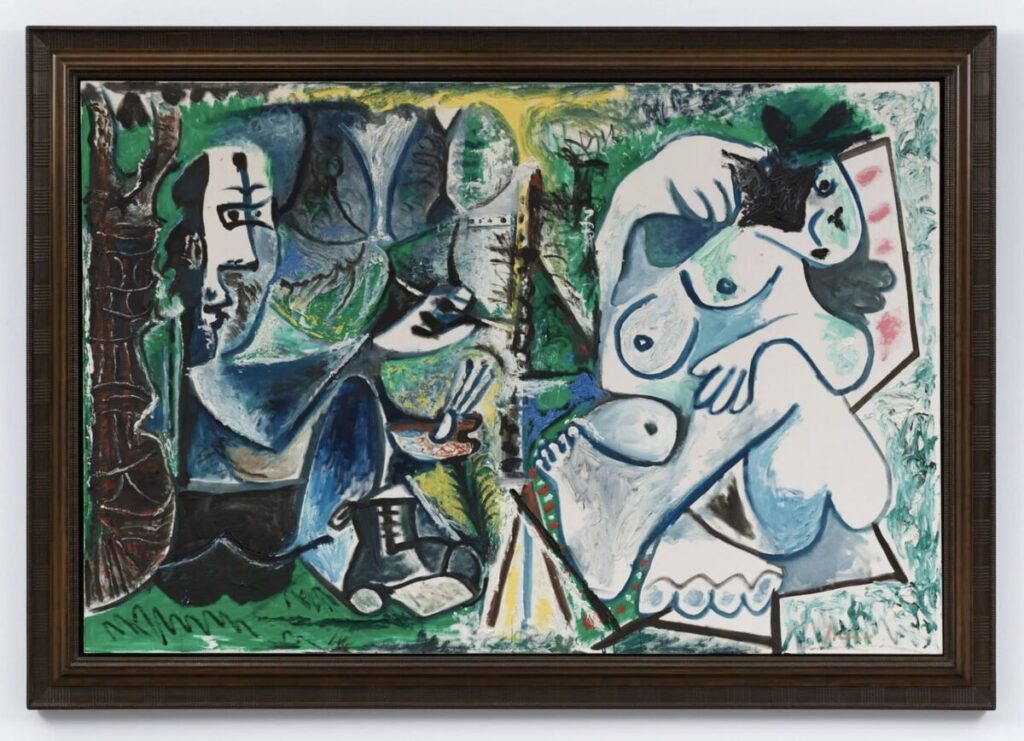
The first days of the fair have already produced major sales. Among the most discussed transactions is Pablo Picasso’s Artist and His Model in a Landscape (1963), sold by Hauser & Wirth for $35 million. The gallery reportedly generated more than $65 million in sales during the opening day alone.
Attention has also focused on galleries including Thaddaeus Ropac, David Zwirner, and Gray. The latter sold a work by David Hockney for $8.5 million, shortly after the artist’s passing earlier this month.
Beyond the headline figures, the atmosphere at Art Basel reflects a broader shift in the market. Advisors and collectors describe the mood as one of “cautious optimism.” While ultra-high-value transactions remain selective, works priced between $200,000 and $2 million continue to attract strong interest.
The composition of buyers is also evolving. International collectors from the United States and Asia appear less dominant than in previous years, while major museum leaders from institutions including MoMA, Whitney Museum, New Museum, and Dia Art Foundation have arrived in significant numbers.
More than a marketplace, Art Basel remains a barometer for the global art industry. The conversations taking place in Basel this week may offer one of the clearest indications yet of where the contemporary art market is heading next.
Mover Insight
Art Basel is no longer only about selling art. It has become a measure of confidence – showing where collectors are willing to spend, which artists institutions are watching, and how cultural value translates into economic value.