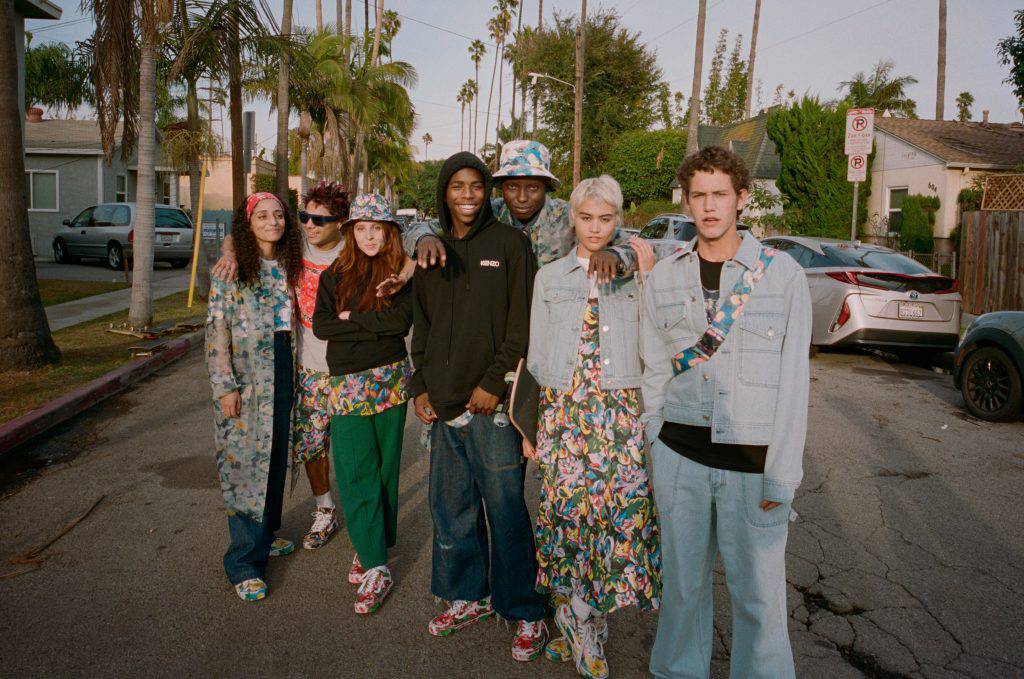


For half a century, KENZO has been infusing positive energy and contagious freedom by claiming a polychrome, daring, and borderless fashion that celebrates nature and cultural diversity.
Kenzo is a fashion phenomenon. In 1970, an unknown designer from Japan suddenly presented in Paris a collection that simply made a splash, having crossed out those fashion trends. Kenzo was inspired by the aesthetics of the jungle creating his collections. A loose cut and bright colors, unprecedented ethnic motifs, and geometric patterns demonstrated on the French catwalks impressed the audience. Even though the old school might have condemned the experiments done by a young fashion designer, it was the other way around. And in an instant, a guy from a poor Japanese family found himself famous. The French fell in love with the bold identity of Kenzo.

The House continues to cultivate and reinterpret with modernity the codes that make its uniqueness: the mix of prints, the harmony of refined colors and exuberant and sophisticated creativity imbued with optimism and impertinence.
Kenzo was the one who introduced abstract and loose clothes and made them fashionable. He abandoned accessories that emphasized the shape of the body – it was revolutionary during the period of elegant glamor.
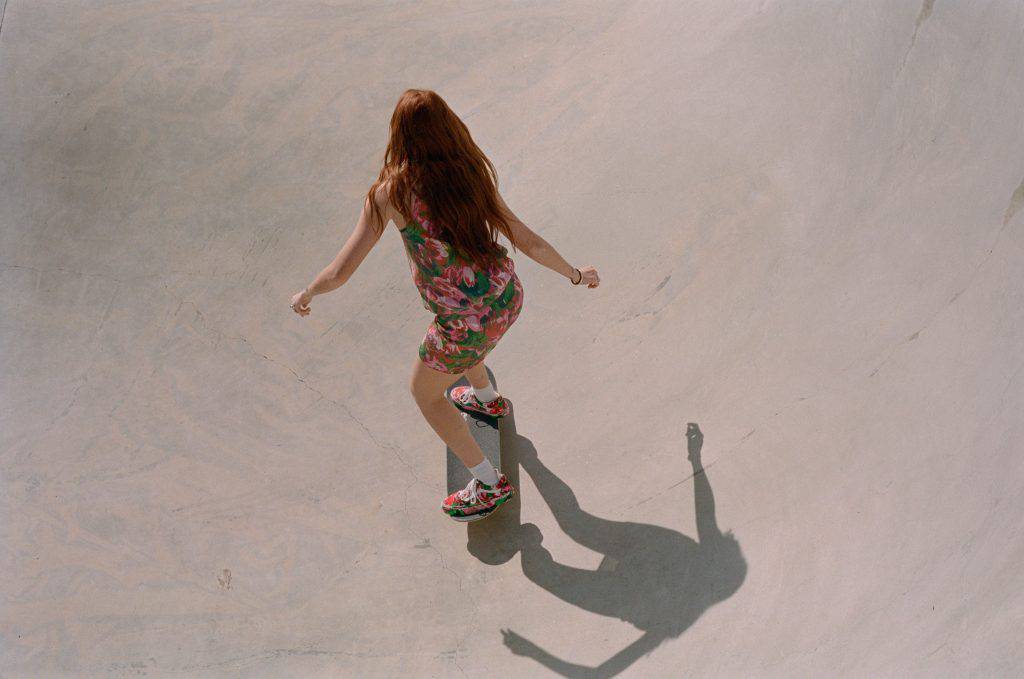
Kenzo broke all the patterns, astonishing the fashion world not only with the extravagance of his clothes but also with enchanting fashion shows. They are not just fashion shows of models, but a real performance with castles, flowers, bridges.
By appointing the Portuguese designer, Felipe Oliveira Baptista, to head its artistic direction, KENZO instills a new dynamic and confirms the development of its potential. Driven by a creative vision combining aesthetic requirement and functionality, in line with the House’s DNA, Felipe Oliveira Baptista is defining a new chapter in the history of the brand, while respecting its unique heritage.
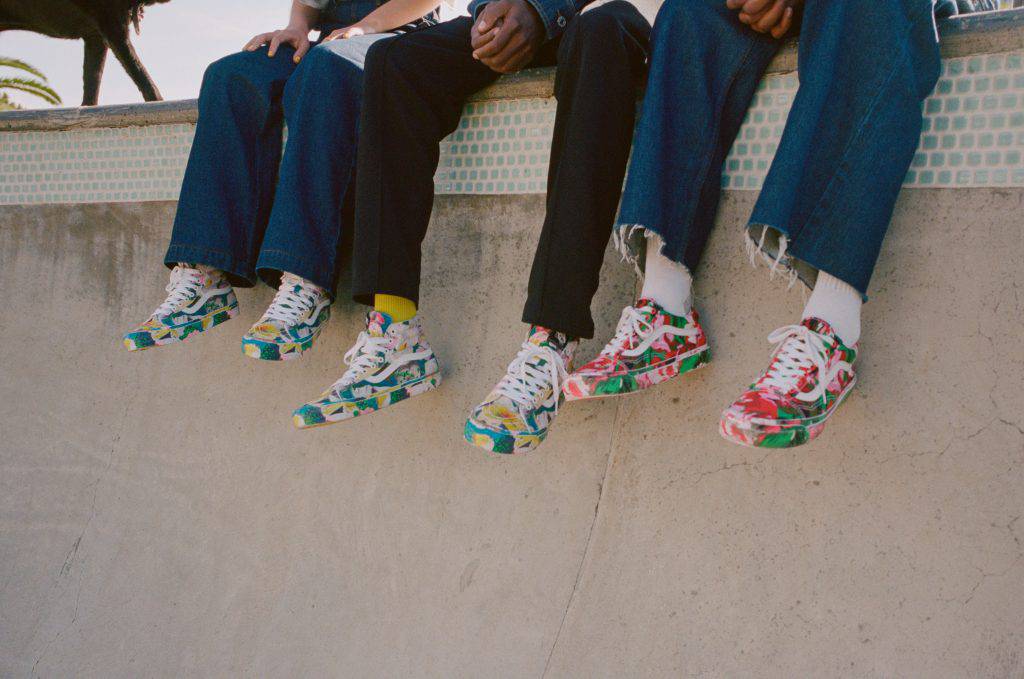
Nowadays, many celebrities such as Beyonce, Rihanna, Selena Gomez prefer brand Kenzo wearing t-shirts, sweatshirts, tops, dressers, etc.