

Why Her Image Became a Digital Charm?
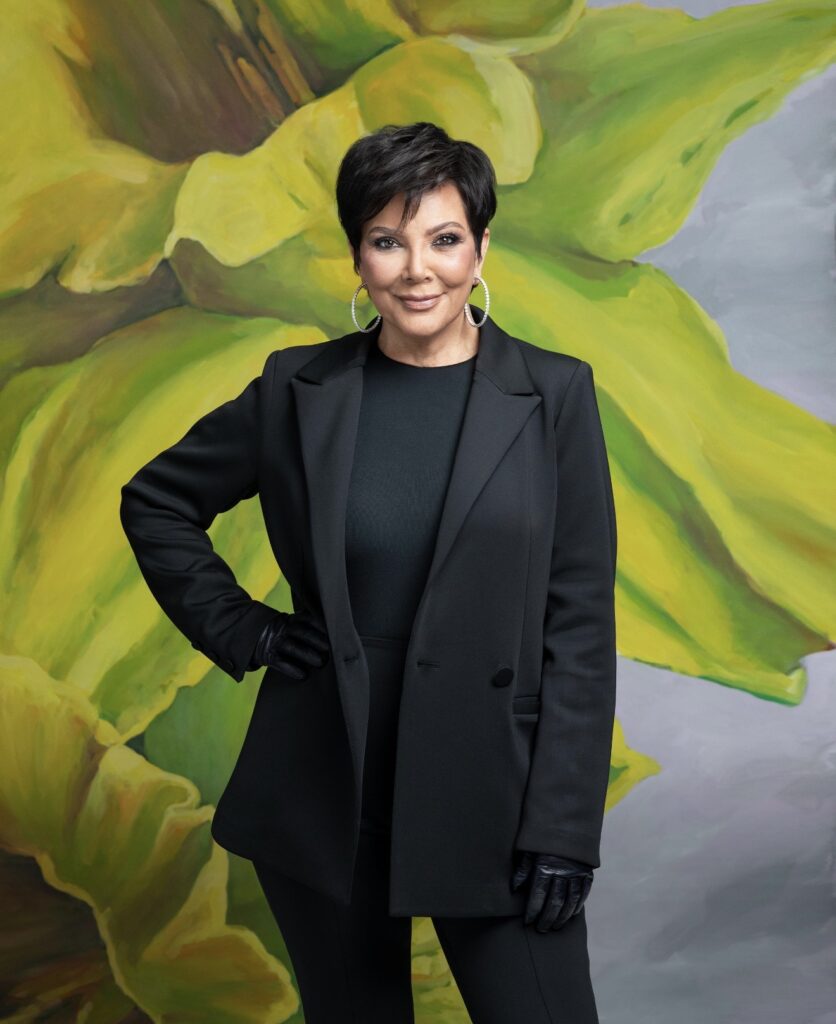
A new digital ritual has emerged across Chinese social platforms: users are sending each other images of Kris Jenner, saving them in chats and using them as profile pictures. The gesture is not ironic. It reflects a shared recognition of what her image represents – stability, control and financial outcome.
The reaction is rooted in reputation rather than the image itself.
Kris Jenner is one of the few figures in pop culture who turned private life into a structured media product. She was behind the launch and growth of the Kardashian-Jenner brand, including Keeping Up with the Kardashians, which became the foundation of a multi-layered business system.
Her role goes beyond traditional management. Jenner did not just coordinate careers – she built an ecosystem where every appearance, product and collaboration functions within a long-term strategy. From this model came brands such as Kylie Cosmetics and Skims, along with multiple licensing deals that transformed a family narrative into a global business structure.
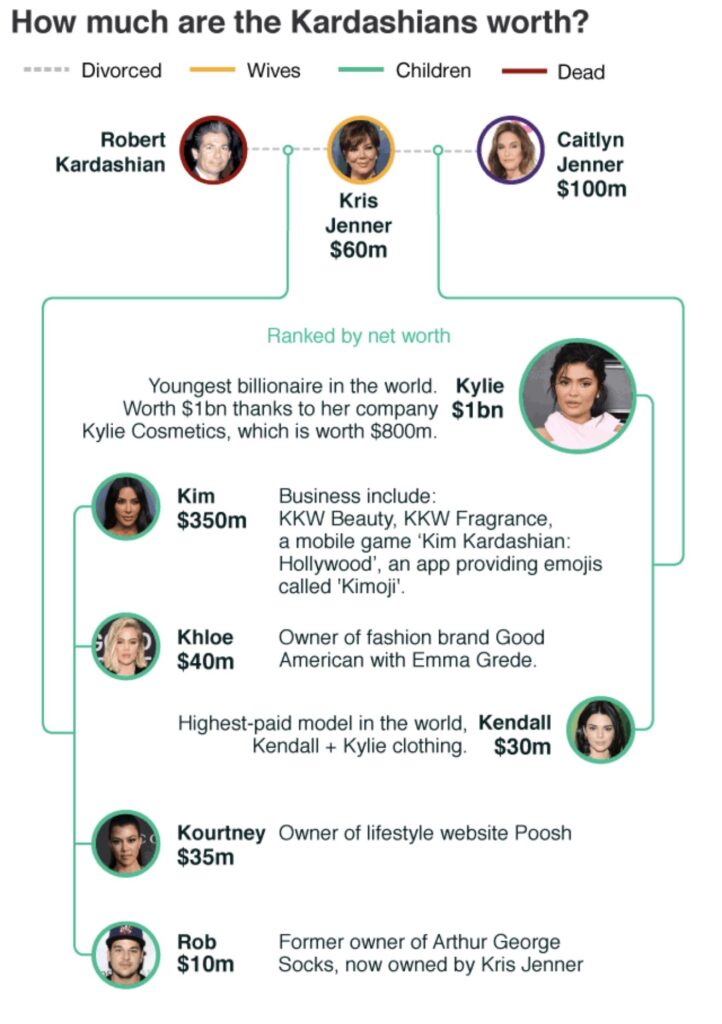
Within public discourse, this approach shaped her image as a “momager” – a term that now signals control over attention and its conversion into revenue.
Today, her image operates as a shortcut. A photo of Kris Jenner in a chat does not point to a person, but to a set of associations: operational control, predictable income and the ability to turn visibility into capital.
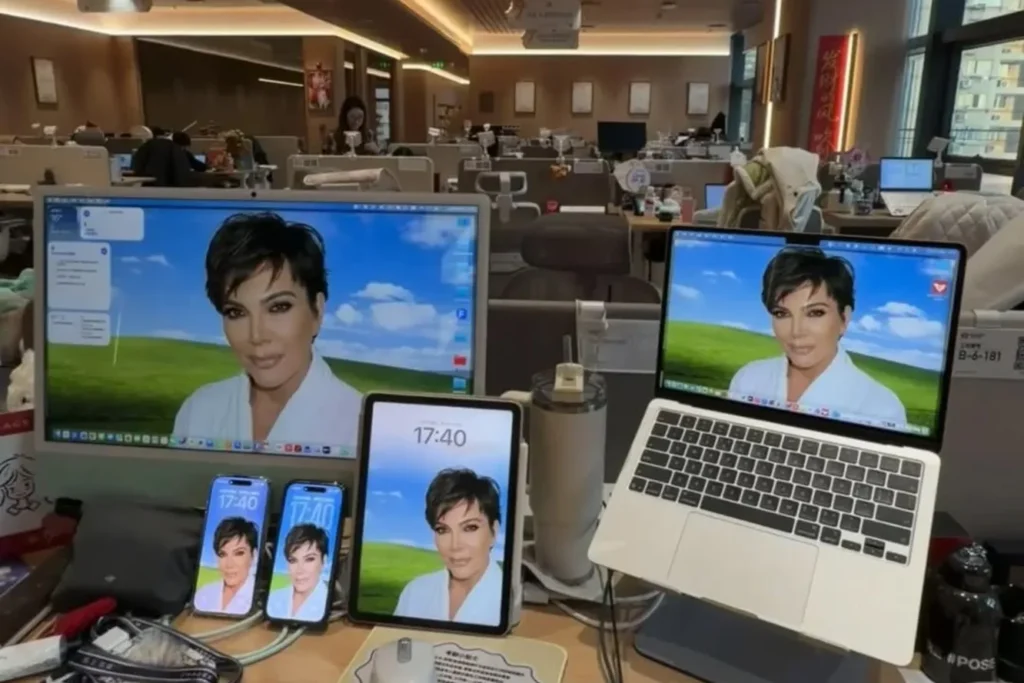
That is why her image started functioning as a digital charm. In an environment defined by economic uncertainty and constant shifts, such symbols allow users to anchor a desired outcome – success perceived as structured and repeatable.
This case illustrates how a pop-cultural figure moves into a functional category. Not simply a meme, but a marker of economic aspiration that can be easily replicated and shared.