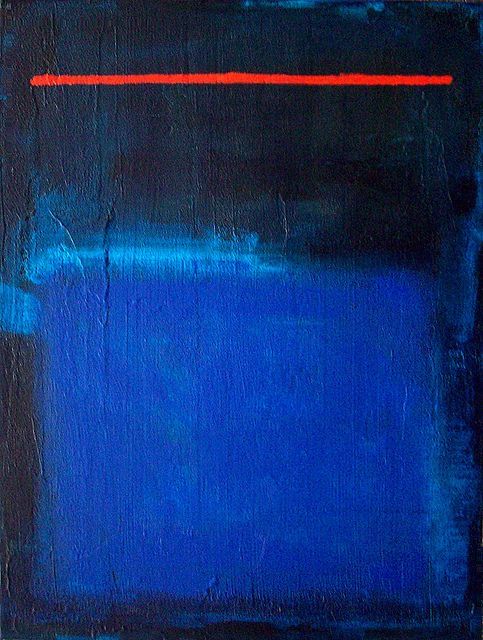
“The fact that many people suddenly lose themselves and can burst into tears before my paintings means that I can connect with their basic human emotions… People crying in front of my canvases experience the same religious awe that I experienced when painting them. And if you are only moved by coloristic relationships, then you have missed the most important thing,” said Mark Rothko.
In the mid-20th century, following the war and the Great Depression, a new movement emerged in the United States — Abstract Expressionism. One of its most prominent figures was Mark Rothko. His recognizable works — large-scale canvases with glowing color rectangles — created a sense of depth and emotion beyond form.
Rothko rejected the label of abstract art. He aimed to express basic human emotions like tragedy, ecstasy, and fear. Many people cried in front of his paintings, which Rothko saw as proof of a genuine emotional connection.
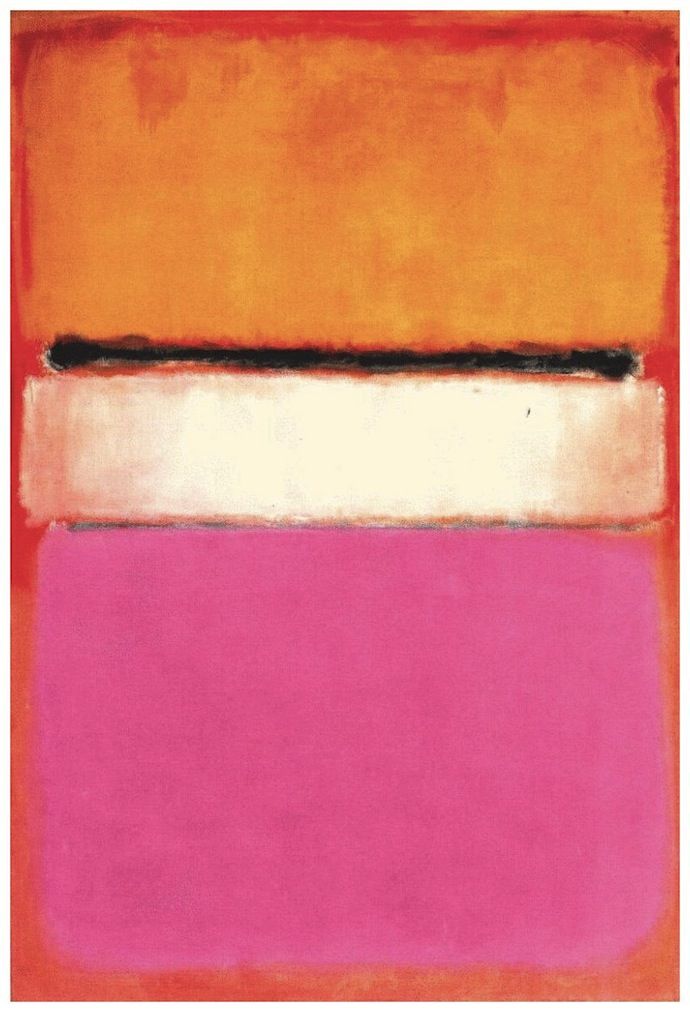
Born in 1903 in Daugavpils (then part of the Russian Empire), Rothko immigrated to the U.S. with his family. He studied at Yale, started with figurative painting, and was initially influenced by artists like Edward Hopper. But after World War II and the Holocaust, he moved away from depicting people, believing they couldn’t express the depth of existential fear.
In the 1940s, Rothko began developing his “Multiforms” — compositions of color fields. Over time, these evolved into his iconic style: soft-edged, stacked blocks of color that seemed to float and vibrate. For Rothko, color was a tool for spiritual communication, not decorative effect.
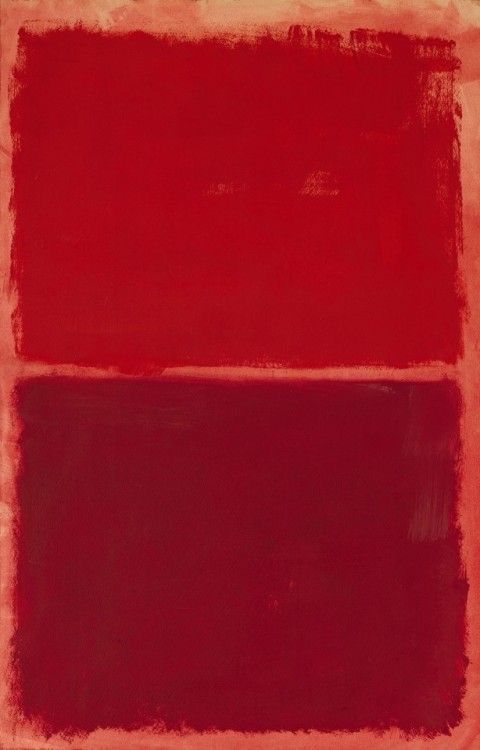
He was particular about how his work should be displayed — dim lighting, no other artworks nearby, and a specific viewing order. His ideal exhibition was the Rothko Chapel in Houston: a meditative, spiritual space open to all faiths.
Rothko famously declined a commission for the upscale Four Seasons restaurant, saying he wanted to create something that would “spoil the appetite of every son of a bitch who comes in there to eat.”
Though he found success, Rothko struggled with depression. He took his own life in 1970. His legacy is not just about color or abstraction, but about using art to tap into the deepest parts of the human experience.