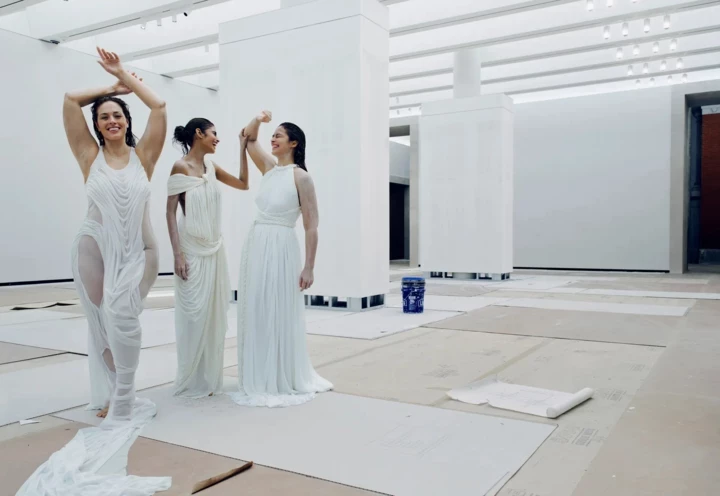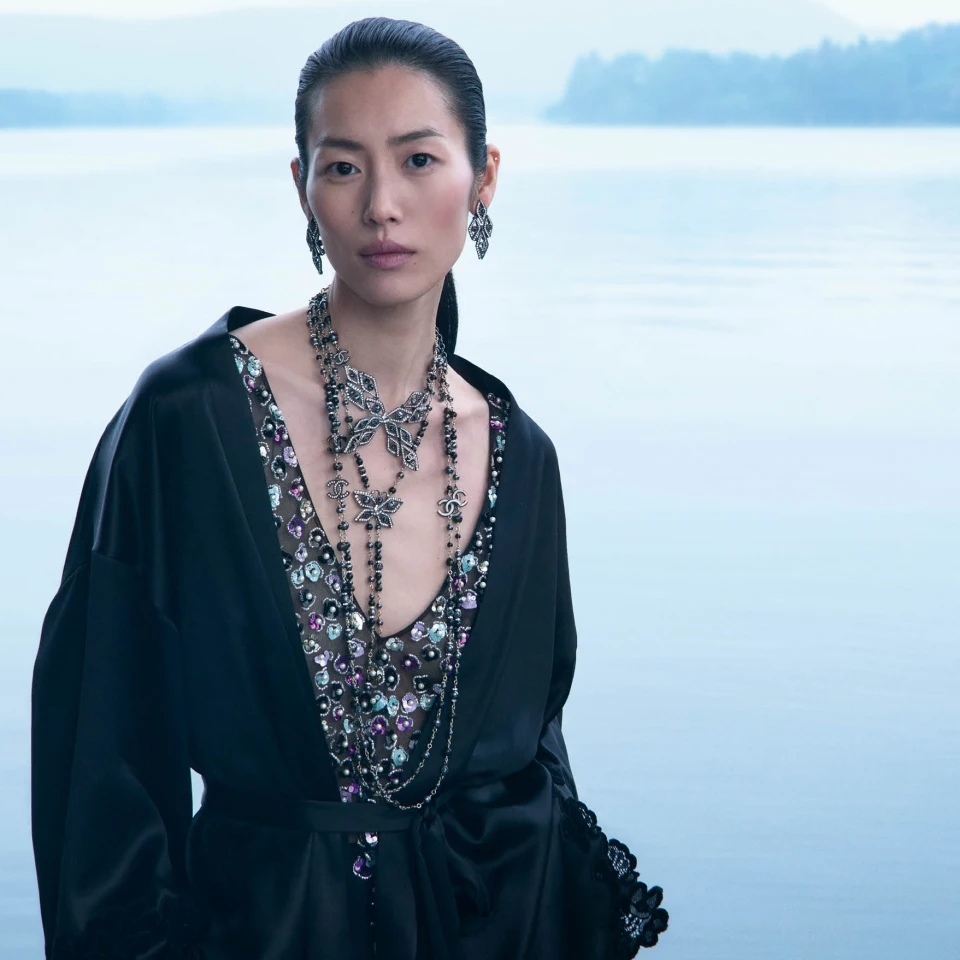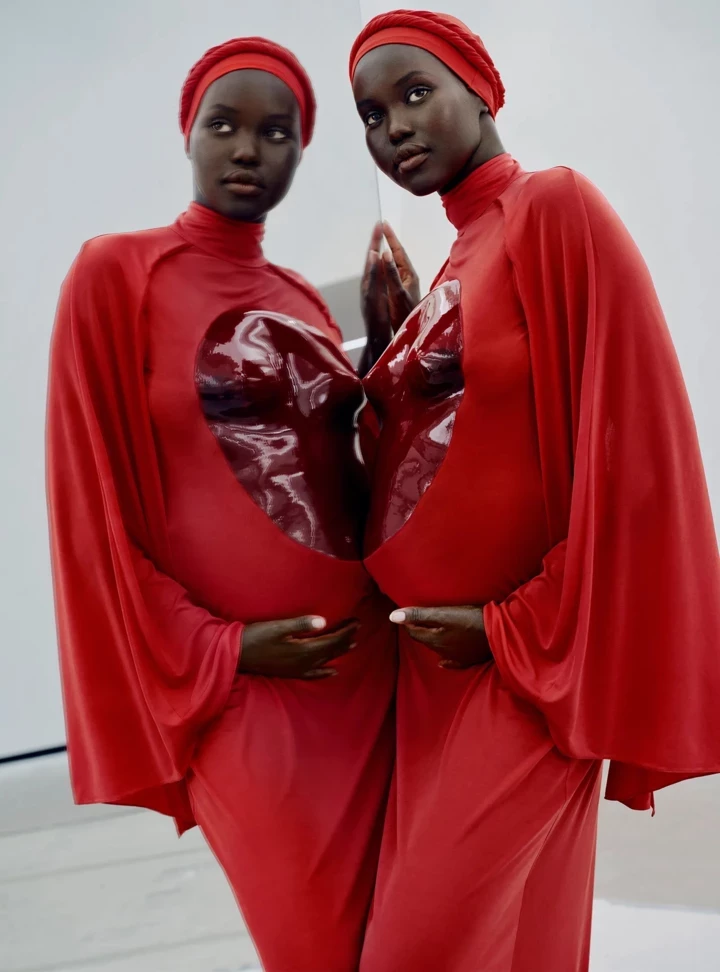


This May, The Metropolitan Museum of Art marks a structural and symbolic shift in how fashion is positioned within the museum context. The Costume Institute moves out of its long-standing basement location into the newly established Condé Nast Galleries, adjacent to the Great Hall – a spatial upgrade that signals institutional recognition rather than simple expansion.
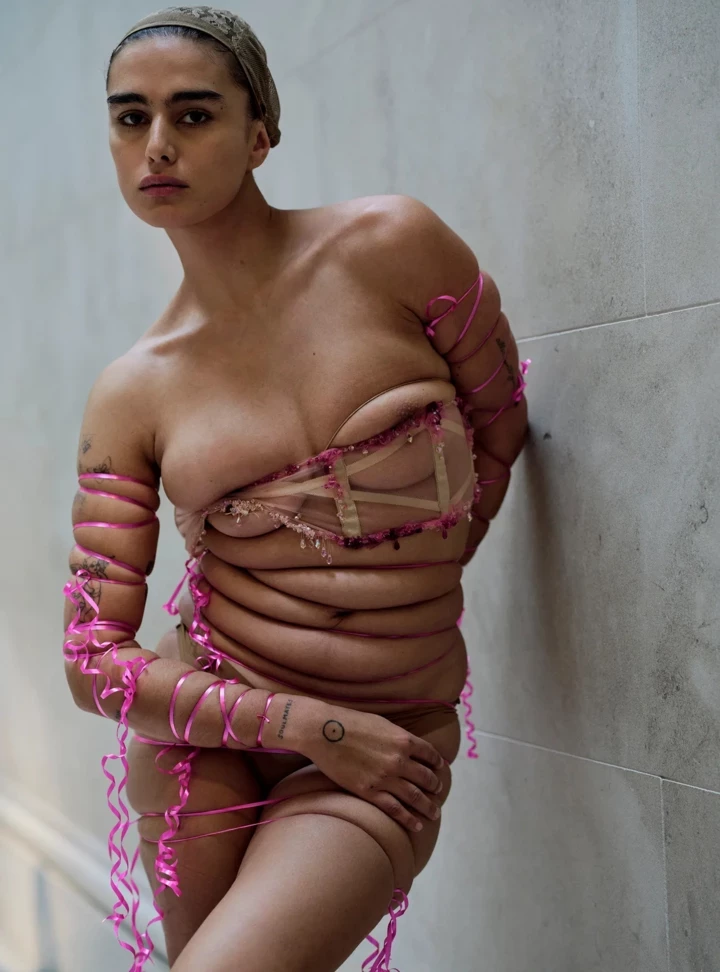
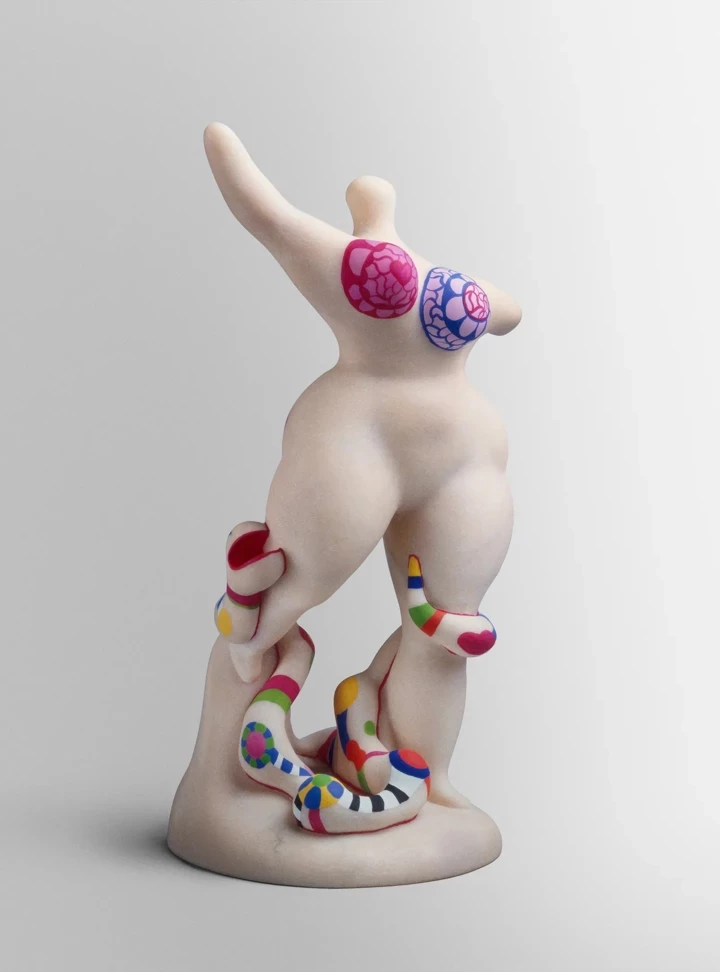
The exhibition “Costume Art”, curated by Andrew Bolton, is built on deliberate juxtapositions that avoid visual harmony in favor of tension. A 460 BC Greek vessel is presented alongside a 1920s gown by Mariano Fortuny. A graphic work by Albrecht Dürer enters into dialogue with Vivienne Westwood’s “Martyr of Love” jacket. Sculptural forms by Jean Arp and Henry Moore are placed in conversation with silhouettes by Rei Kawakubo.
These pairings operate as a curatorial argument. They do not illustrate influence; they establish parity. Fashion is not positioned as a derivative discipline but as an autonomous system with its own formal and conceptual language.
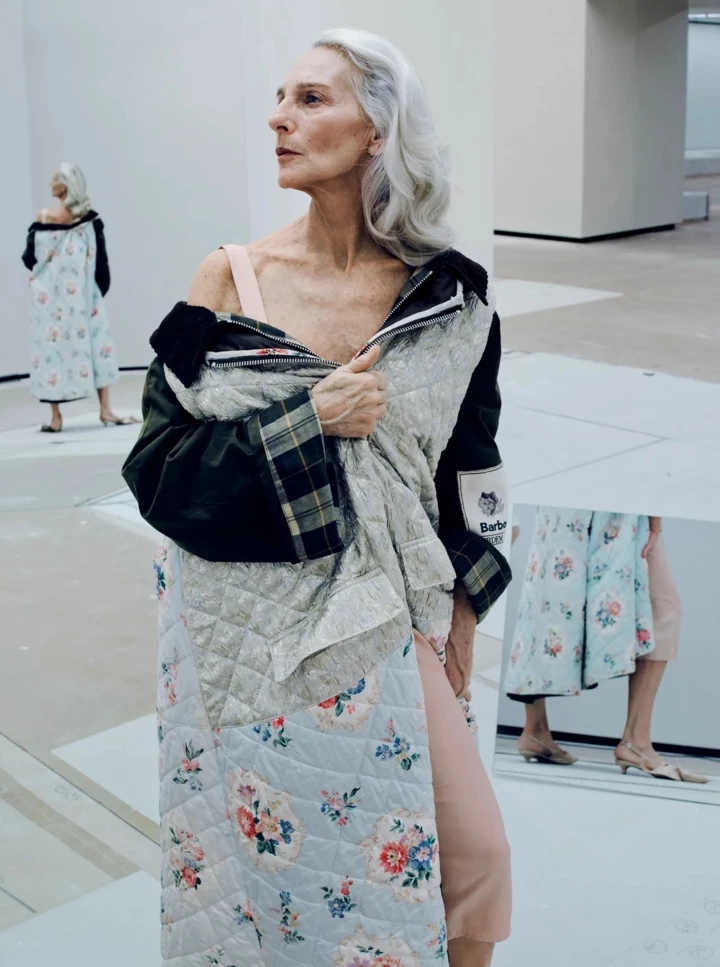
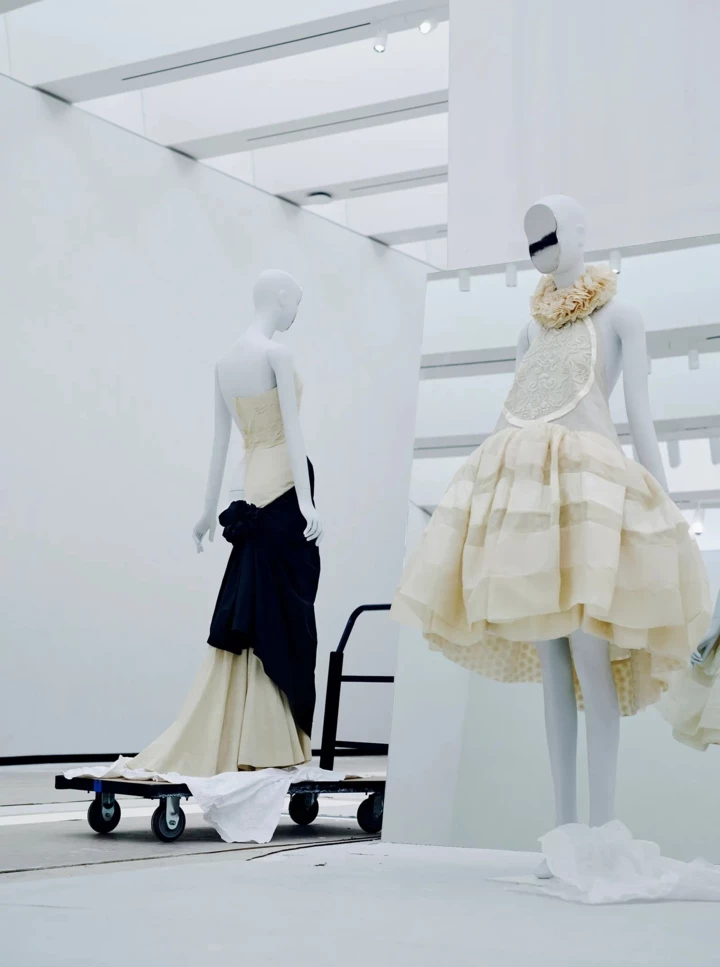
Bolton’s framing is precise: fashion articulates lived experience. It responds in real time to shifts in the body, environment, and culture, making it distinct from more static artistic forms. This temporal and material proximity to life complicates its categorization within traditional definitions of art.
The timing reinforces the statement. Opening ahead of the Met Gala 2026, the exhibition aligns with one of the industry’s most visible cultural moments. The new 1,100-square-meter galleries represent the most significant transformation in the Costume Institute’s history, repositioning fashion within the institutional hierarchy of The Met.
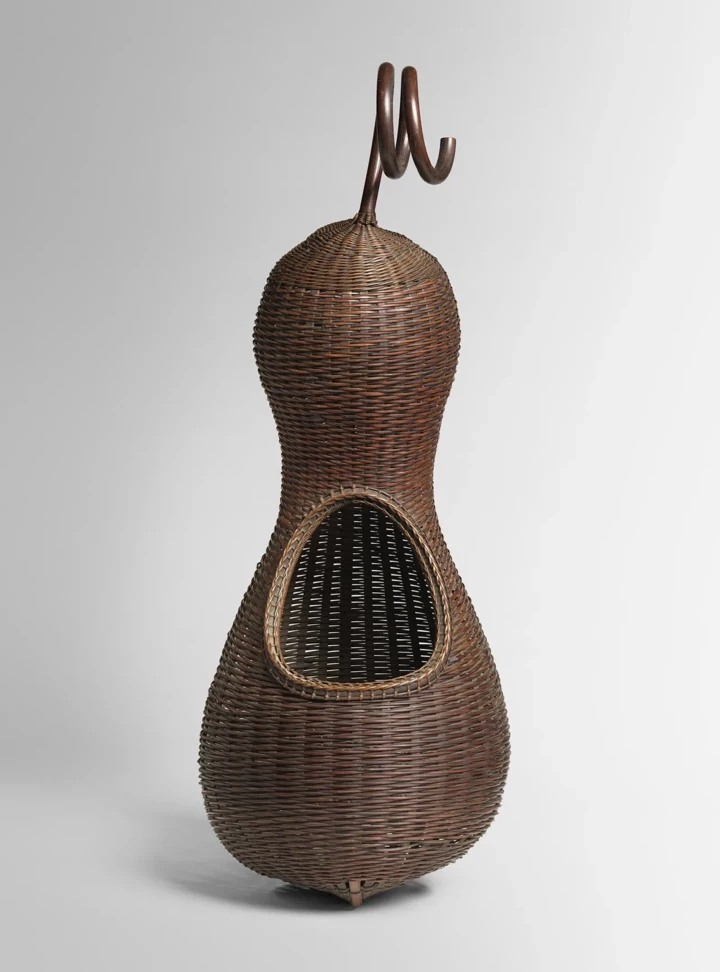
“Costume Art” does not attempt to resolve the question of whether fashion is art. It reframes the discussion – questioning the relevance of the distinction itself.