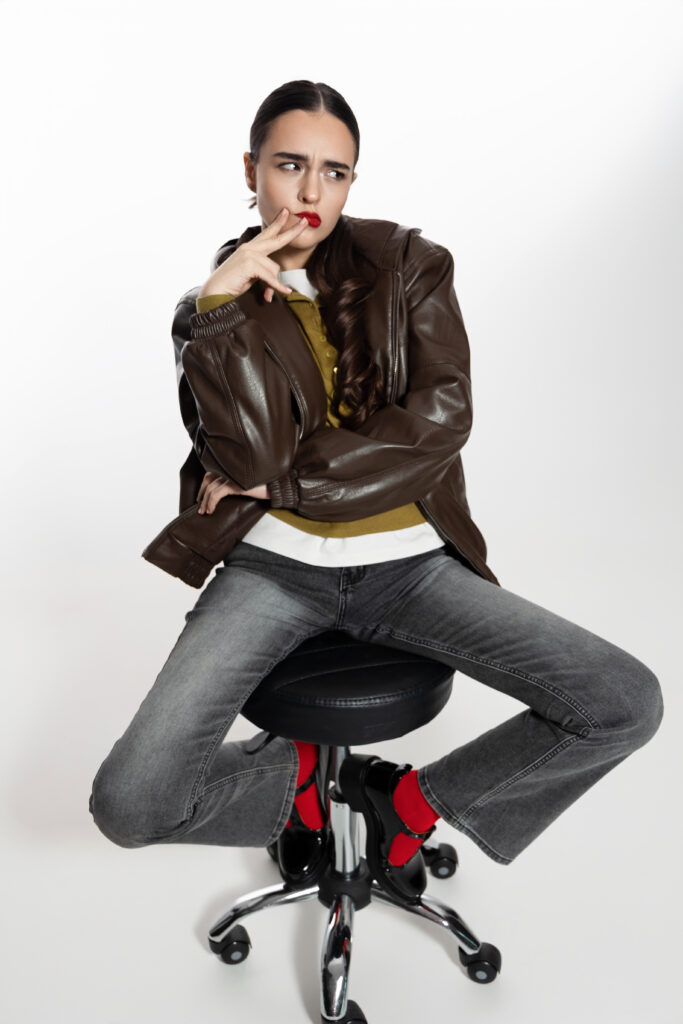


Giovanna Marques – is an autistic woman shaped by reinvention, courage, and an unwavering commitment to becoming fully herself. From theatre and spirituality to modelling and real estate investment in Dubai, her journey has never followed a conventional path, but rather one guided by intuition, resilience, and deep self-awareness. In this conversation, she reflects on the cost of choosing herself, the quiet freedom she found in Dubai, and her vision of creating spaces that offer not only beauty, but emotional refuge, care, and belonging.
You’ve lived many lives – theatre, spirituality, modelling, and now real estate investment in Dubai. Looking back, what is the thread that connects all of it?
I have never felt the need to be confined to just one identity.That has never come from a lack of direction, but from a deep awareness of when something no longer feels true. I have never believed in forcing permanence where there is no authenticity left. For me, moving between paths has never been a sign of inconsistency. It has always been an act of honesty, and a way of allowing myself to evolve with integrity.I have always been drawn to what feels alive, even when it did not make sense on paper. Very often, that meant stepping into the unknown without certainty, guided only by the understanding that staying in a place, role, or version of myself that no longer fit would cost me far more than leaving it behind.My experience as an autistic woman has shaped that perspective in profound ways.
Over time, I came to understand that even spaces considered unconventional, such as theatre or fashion, could still carry expectations I did not fully belong to. Learning that I did not have to keep forcing myself into identities that were never truly aligned with who I am was both a difficult and liberating realization.Looking back, the thread connecting every chapter of my life has always been my sensitivity to people, spaces, and emotional atmosphere. I have always been fascinated by the way energy shifts, by how environments influence behavior, and by the subtle details that shape how people feel and move through the world.Whether in theatre, spirituality, modelling, or real estate investment, I have always been refining that same instinct. Each path taught me something new about presence, timing, perception, and human experience. On the surface, these worlds may seem unrelated, but at their core they have all been expressions of the same deeper understanding.That, to me, is the real thread. Across every version of my life, I have been learning how to read people, spaces, and transitions with greater depth. And at the center of it all, that is still what I do. The difference now is that I have learned how to do it without abandoning myself in the process.
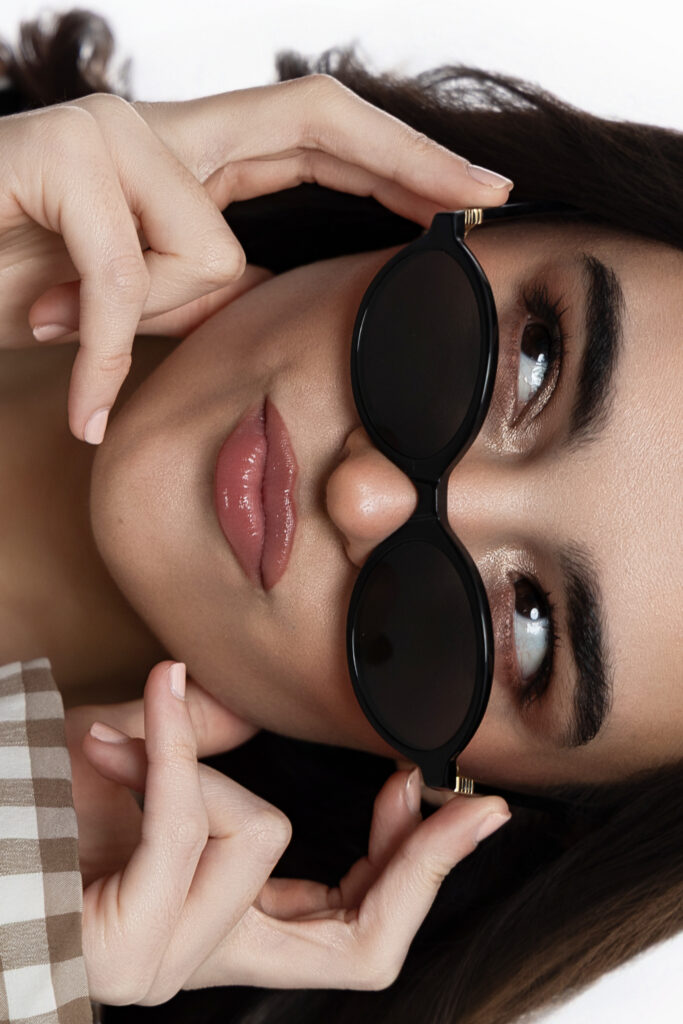

Moving to Dubai without guarantees and breaking from everything that was expected of you takes a particular kind of courage. What did choosing yourself actually cost you, and what did it give you in return?
Choosing myself came at a very real cost. It meant disappointing my family and breaking expectations they had carefully built around who I was supposed to be. It meant holding a lot of my feelings alone, often met with silence rather than reassurance. It cost me depression, anxiety, and repeated identity crises. It meant learning how to live inside a culture completely different from the Brazilian one I grew up in — and facing a kind of loneliness I had never experienced before. But it also gave me a life I’m deeply grateful for. I gained financial stability and comfort in a way that would have been very difficult to achieve in Brazil. Over time, I earned my family’s respect, even when our values still clash. I learned to respect people whose lives, beliefs, and paths are radically different from my own. I built new friendships, gathered new learnings, and discovered how to be genuinely happy on my own – not just enjoying my own company, but truly needing it. Above all, I gained independence in every area of my life. I learned how to self-regulate, to stay grounded through uncertainty, and to keep moving even when the path was lonely. The obstacles shaped me, but they also gave me a depth, resilience, and freedom I wouldn’t trade for anything.
You’ve said Dubai gave you the opportunity to finally be who you are. What is it about this city that made that possible when nowhere else did?
Dubai gave me time, and time is something I didn’t have before. The city is quiet in a very specific way: it offers pauses, structure, and a kind of silence that allowed me to listen to myself again. Life here is predictable and comfortable; things work, solutions are accessible, and daily survival doesn’t demand constant emotional energy. That created the conditions for me to slow down and rebuild myself. What made the difference wasn’t escaping expectations, but stepping away from emotional ties that, although deeply loved, were also keeping me in place. Rio de Janeiro holds too many layers of memory, affection, and attachment for me, beautiful, but consuming. Dubai gave me distance from that intensity, and with it, clarity.In a city that delivers things easily and doesn’t constantly pull you into emotional urgency, I had the space to reorganize my inner world. I wasn’t forced to react all the time; I was finally able to choose. Dubai didn’t shape who I am, it gave me the time, silence, and stability to become myself.
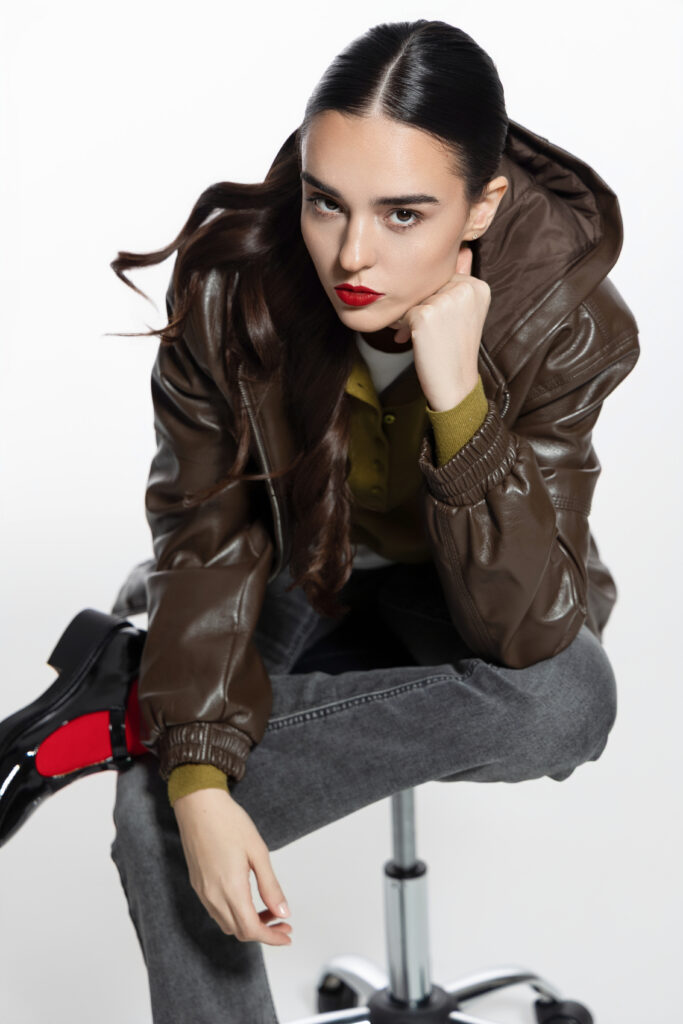
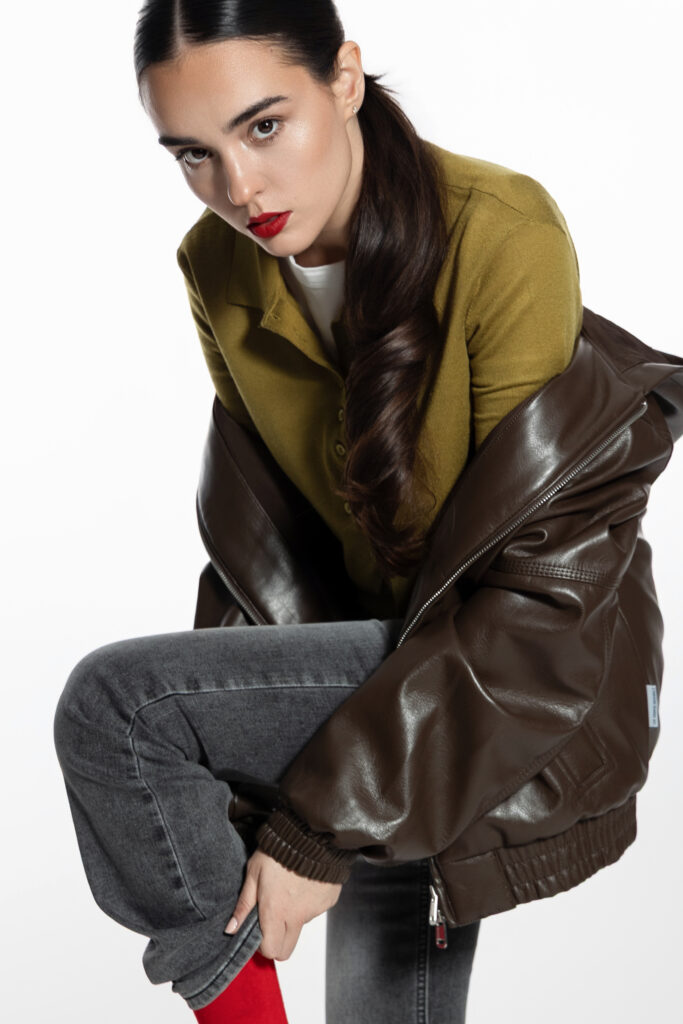
Your Airbnb concept goes far beyond interior design. You want to create a space that is emotionally inhabitable. What does that actually mean, and where does that desire come from?
For me, an emotionally inhabitable space is one that understands the body before it asks anything of the mind. It’s a space designed for nervous systems that are often overstimulated, fatigued, or navigating the world differently. Beyond interior design, I think about light that doesn’t overwhelm, sound that can soften into silence, textures that ground, and layouts that feel intuitive rather than demanding.This desire comes from lived experience. As a neurodivergent person, I’ve learned how much environments can either support or exhaust you. I know what it’s like to move through spaces that constantly ask you to adapt, perform, or push through discomfort. Home, for me, became a tool for regulation, a place where your body can decompress, your senses can rest, and you don’t need to justify your needs. My Airbnb is created with that awareness. I want them to feel like places where people including those with disabilities or sensory sensitivities can arrive and immediately exhale. Spaces that don’t rush you, don’t overwhelm you, and don’t require explanation. A home that meets you where you are, quietly, gently, and with care.
You are an autistic woman and you speak about it without apology or softening. In a world that still holds deeply stereotyped views of autism, why is it so important to you to never stop saying it out loud?
Because silence keeps systems comfortable. Autism is still imagined as a white, middle-class five-year-old boy with high support needs and everyone who doesn’t fit that image gets erased. Autistic women, autistic people of color, poor autistic people, and those with lower or less visible support needs are routinely excluded from diagnosis, resources, culture, and history. Saying I’m autistic out loud is a political act. It disrupts who is allowed to be seen, believed, and supported. Autism needs to exist in art, education, and historical narratives as a full human reality, not a stereotype. I keep naming it because visibility isn’t symbolic – it’s about access, dignity, and survival.
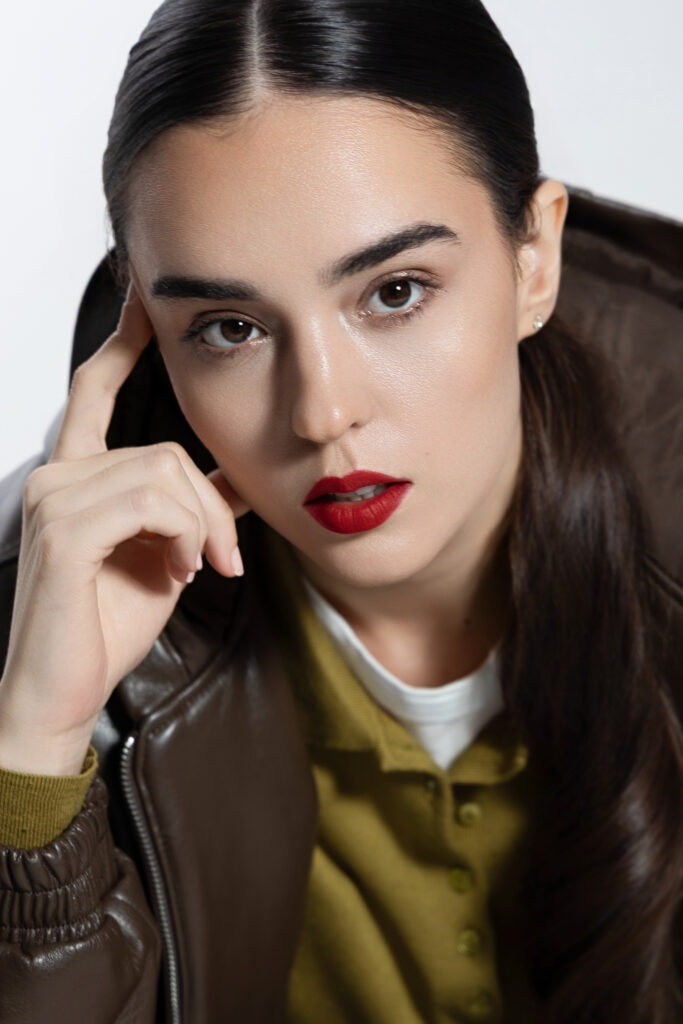
You’ve described making delicious lemonade from the lemons life gave you. But what do you want people to truly understand about what it cost to get there?
People like the metaphor of lemonade because it makes suffering look tidy. What it cost me was time I’ll never get back, a loneliness that rearranged my nervous system, and versions of myself that didn’t survive the process. It cost me my mental health more than once, and long stretches of living without certainty, comfort, or reassurance. The lemonade didn’t come from optimism — it came from staying when leaving would have been easier, from learning how to exist inside discomfort without collapsing, from grieving quietly and continuing anyway. If people want to understand the sweetness, they also need to be willing to taste the bitterness it was made from.
You don’t live in the future and you say there is no finish line. And yet there is one dream that keeps returning to you. What kind of life are you quietly building toward?
I don’t believe in finish lines, but I do believe in direction. Every step I take today is already shaped by the life I want to be able to offer one day. I make decisions about work, money, home, and stability with that in mind. I’m honest with myself about motherhood. Wanting to have a child even while also considering adoption – is, in many ways, a selfish desire. And because of that, I believe the minimum responsibility is consciousness. If I’m going to bring a child into the world, I want to do it having built the conditions for freedom, emotional safety, and love. The life I’m building is meant to hold difference without fear. A life where a child can grow without needing to fit an expectation, justify who they are, or earn care. Regardless of how they arrive, or who they become, I want to offer them space to exist, to explore, and to be loved exactly as they are.
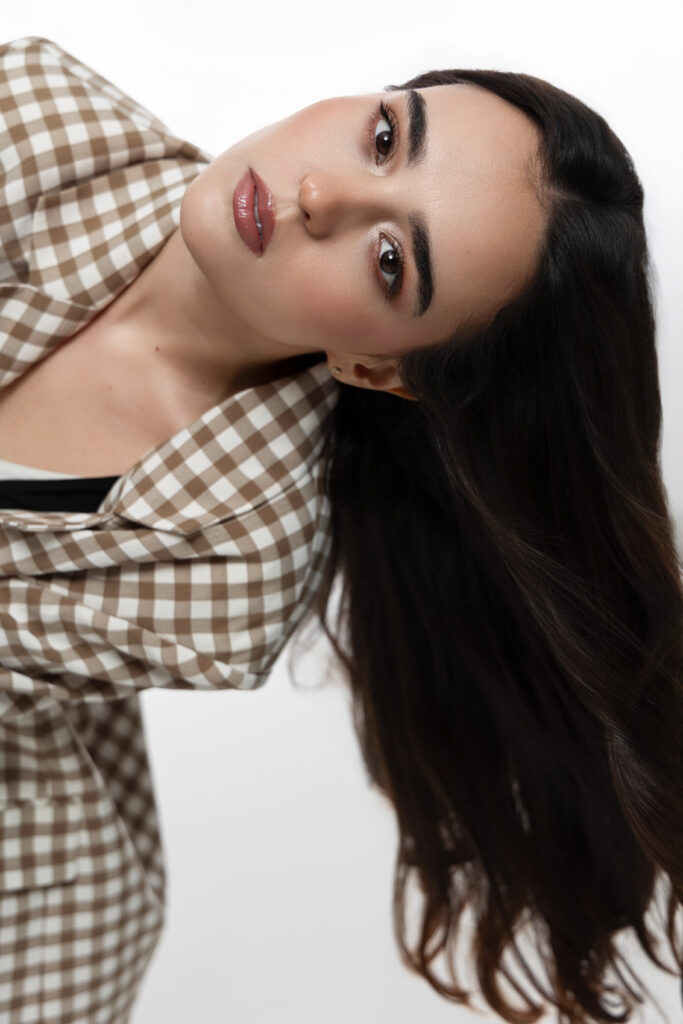
Photographer – @myy_view
Stylist – @olyataf
MUA – @facebysanaz
Hair – @styledby.kayleighx